
New School Sales: FAQ for Business Owners
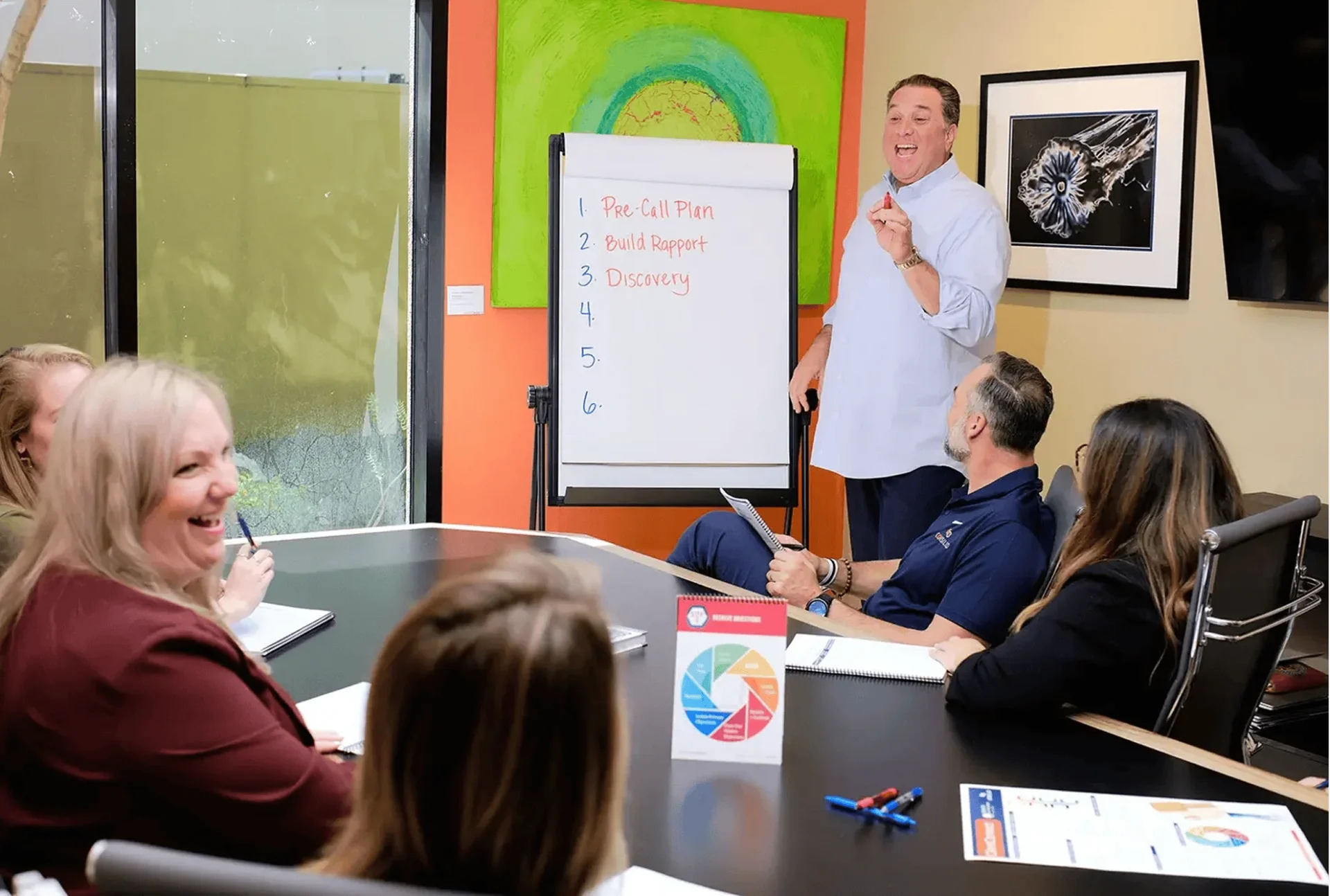
“Old school” sales pushes on pain and pressure—and modern buyers push back. G.A. Bartick teaches business owners to replace pain with excitement by helping prospects visualize a better future and self-identify the gap between “where we are” and “where we want to go.” The shift happens in discovery: tailored questions, clear next steps, and consistent follow-up so you’re top of mind when the buying window opens. When buyers connect emotionally to that future state and see your unique fit, movement becomes voluntary—not coerced.
FAQs
What is old school sales?
Short answer:
A pain-first, pressure-heavy approach that tries to force change by highlighting problems and pushing for a decision.
Long answer:
Old school selling chases pain and then leans on urgency tactics. In practice, that sparks defensiveness: buyers justify past choices, cling to the status quo, and disengage. Bartick’s experience with owners shows this pattern repeatedly, including the belief that “if they need me, they’ll call me”—a mindset that ignores how attention works. Without consistent, value-led follow-up, even happy customers forget you when it’s time to buy.
Why does pain-based selling fail today?
Short answer:
Buyers emotionally defend prior decisions and resist pressure, slowing or killing deals.
Long answer:
When reps spotlight pain, prospects protect their ego and previous vendor choices. That fight drains trust and momentum. Bartick notes the human mind doesn’t simply switch because someone pressed harder; if you’re not relevant and present when buying mode starts, they’ll call someone else—even someone they rate lower—because that seller was top of mind. Pain creates resistance; presence and relevance create progress.
What is new school sales?
Short answer:
An approach that creates excitement for a better future and invites buyers to choose change.
Long answer:
New school selling centers on discovery, not pressure. You help prospects articulate a desired future and connect that vision to your strengths. Instead of arguing about problems, you co-create a picture of success and remain present through thoughtful follow-up. Communication quality becomes a competitive advantage in commoditized markets: what you say and how you say it differentiates you more than features do.
What is the buying gap?
Short answer:
The distance between a buyer’s current state and their desired future state.
Long answer:
The buying gap is the emotional and economic space between “here” and “there.” Effective discovery makes it visible in the buyer’s words—goals, constraints, and success metrics—so movement feels self-directed. Owners should also validate true competitive advantage with customer interviews, not conference-room assumptions, to show why you’re the right bridge across that gap.
Why is discovery so important?
Short answer:
It lets buyers self-discover needs and motivations, creating intrinsic momentum.
Long answer:
Great discovery is buyer-centric. It segments by persona, explores outcomes the buyer cares about, and links those outcomes to your unique strengths. When prospects describe where they’re headed and what’s in the way, they begin to sell themselves on change. That’s why Bartick pushes for persona clarity and tailored messaging—different buyers need different conversations to see the path forward.
Do buyers make decisions logically?
Short answer:
Not at first. Decisions are emotional, then justified with logic.
Long answer:
Executives like to claim they’re purely rational, but behavior says otherwise. Emotion drives attention, priority, and commitment; logic provides cover after the choice. Bartick’s counsel to stay top of mind and build excitement acknowledges this sequence. If you create a compelling future state and remain the most salient, helpful option, the logic will follow.
Should salespeople stop talking about pain entirely?
Short answer:
No. Let buyers surface pain through discovery; you focus on clarifying a desirable future and the path to it.
Long answer:
Pain has a role—but not as a cudgel. Use questions that uncover friction points naturally, then pivot to what success looks like and how to achieve it. This respects autonomy and reduces defensiveness. Document the buyer-stated “current vs. desired” to keep momentum without pressuring them, and follow up consistently so you remain the obvious partner when timing aligns.
How do you create excitement in sales?
Short answer:
Help buyers vividly see how they can reach their goals with you—and stay present until they’re ready.
Long answer:
Excitement grows when prospects co-author the future state and believe it’s attainable. Use customer proof, tailored messaging by persona, and clear next steps that feel like progress. Keep proximity with relevant follow-ups; even champions forget you amid noise. Being top of mind at the buying moment often wins over being “the best” in the abstract.
What role does emotion play in sales?
Short answer:
Emotion drives action and commitment; logic tidies up afterward.
Long answer:
Bartick’s story of a long-time client hiring another firm underscores attention and emotion: people choose what’s salient and feels right at the moment of decision. Your job is to connect emotionally to their goals, reduce risk perception, and maintain helpful presence so the decision feels like progress toward what they want.
How can teams adopt new school sales?
Short answer:
Restructure discovery, tailor messaging by persona, validate competitive advantage in the market, and follow up consistently.
Long answer:
Start by segmenting ideal client personas and customizing conversations. Interview customers to learn why they choose you; use their language in messaging. Coach reps on communication quality, not just activity counts, and track leading indicators: meaningful discoveries captured, buyer-stated “current vs. desired,” and follow-up quality. Culture changes when leaders inspect calendars and conversations—not only the forecast.
Conclusion
Pain-first tactics breed resistance. New school selling builds desire by revealing the buying gap and keeping you top of mind until the moment to move. When buyers feel the future they want—and see you as the clearest path to it—they act. Build discovery that invites self-discovery, speak in persona-specific terms, and maintain proximity with thoughtful follow-up. That’s how excitement replaces pressure and deals accelerate with less friction.
Contact Us
Ready to turn prospecting discipline into predictable revenue? Give us a call at +1 (833) 737 3785 and ask for G.A. Bartick to train your managers on above-the-funnel execution to operationalize the cadence, metrics, and coaching across your team.