Process & Predictability: FAQ
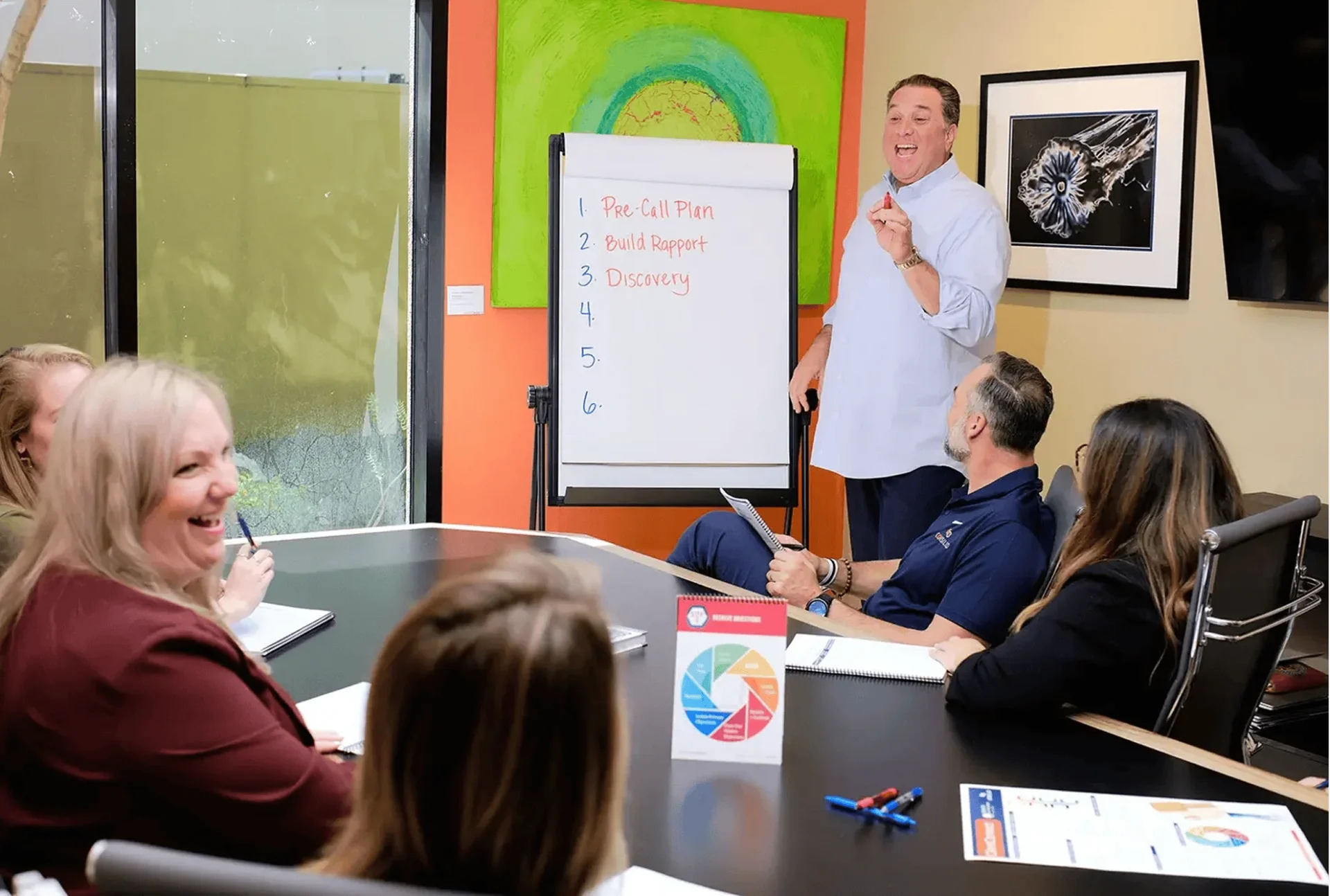
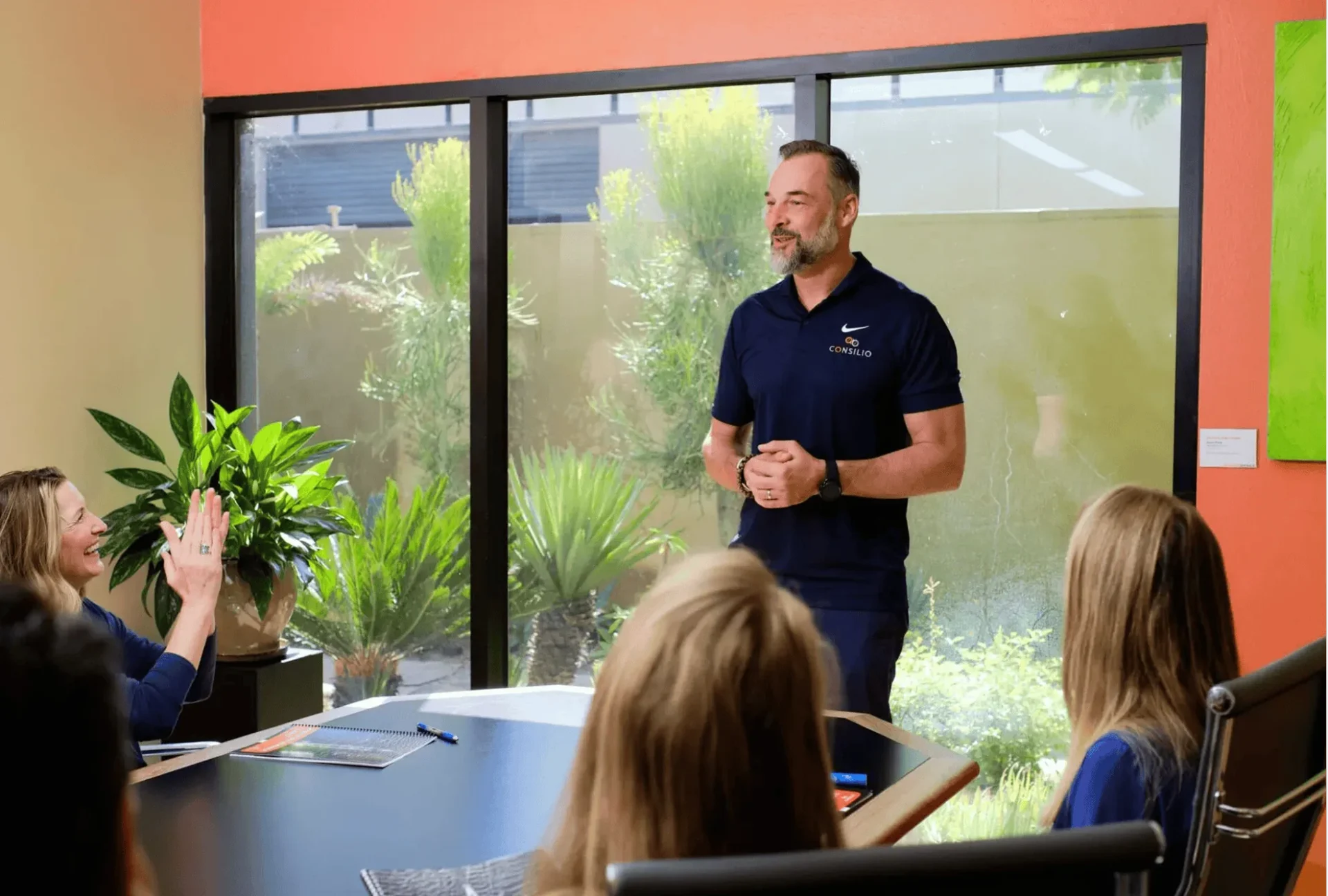
Predictability is a leadership choice. G.A. Bartick teaches that while customers and situations vary, a well-defined process absorbs variability and produces reliable outcomes. His 3×5 card demonstration shows the pattern: the right steps, the right tools, and enough practice to “execute the fundamentals under pressure.” For decision-makers, this FAQ clarifies why process outruns raw talent, how tools fit, and how repetition transforms systems into consistent performance you can forecast across the team.
FAQs
Why is process more important than talent?
Short answer:
Talent is variable; process is transferable. A clear, repeatable sequence lets average performers achieve consistently high outcomes across changing conditions.
Long answer:
Talent helps, but it isn’t a system. Bartick explains that “if you have a predictable process, you can take the variable of any prospect… put it into your process, and come up with a predictable conclusion.” Process defines the steps anyone can run, regardless of personality or mood, so results scale beyond individual stars. Leaders should document the sequence, equip the tools, and coach the behaviors until the steps hold under pressure. That’s how predictability beats brilliance consistently.
What does predictable mean in business?
Short answer:
Reliable results produced by repeatable actions outcomes you can forecast because the inputs and steps are consistent.
Long answer:
Predictable doesn’t mean identical customers; it means a stable operating system. Bartick’s lens: you can’t control what a client will say or do, but you can control the process you run. When your team follows defined steps and has practiced them outcomes become reliable enough to plan hiring, capacity, and revenue. Predictability is the compounding benefit of clear methods, proper tools, and rehearsal that turns fundamentals into muscle memory.
Why are customers considered variables?
Short answer:
Because their needs, timing, and behaviors change; your process must absorb that variability to stabilize outcomes.
Long answer:
No two buyers behave the same way. That unpredictability can’t be removed but it can be managed. Bartick stresses that you “take the variable of the customer” and run them through a consistent process to reach a predictable conclusion. By standardizing discovery, checkpoints, and next steps, you reduce variance created by individual preferences and situations. The process is the constant that tames the variables.
What role do tools play?
Short answer:
They support execution but cannot replace process or practice. Tools amplify; they don’t originate consistent performance.
Long answer:
In Bartick’s sequence, tools come after process. The 3×5 card demo works because the steps are correct, the tool fits, and the fundamentals are rehearsed. Buying software or templates without a defined method just speeds up inconsistency. Equip your team once the process is mapped; then use tools to reduce friction, increase accuracy, and enable coaching. Tools are accelerators not steering wheels.
Why is practice necessary?
Short answer:
Practice makes fundamentals reliable when stakes and stress are high.
Long answer:
Under pressure, people default to their training. Bartick highlights the need to “execute the fundamentals under pressure” by practicing until the method is automatic. The same idea appears in his name-remembering process: listen, associate, repeat simple steps that work because they’re rehearsed. Short, frequent reps transform knowledge into performance you can trust in front of customers, cameras, or executive stakeholders.
What causes failure under stress?
Short answer:
Lack of repetition teams haven’t drilled the steps to automaticity, so the process frays when watched.
Long answer:
Stress exposes weak practice. Bartick notes the final ingredient people miss is practicing enough to perform “when I have tens of thousands of people watching me.” Without reps, even good processes fail at the moment of truth. Leaders should time-block drills, review recordings, and coach observable behaviors so execution holds when clients push back or meetings go sideways. Repetition is the insurance policy for performance.
Can process be learned?
Short answer:
Yes design simple steps and practice them until they stick.
Long answer:
Process is teachable. Bartick demonstrates this with remembering names: clear your mind and listen, create a quick association, and use light repetition. It’s not miraculous it’s “a practice process.” The same structure applies to complex business conversations: break them into steps, script prompts, and rehearse until execution becomes natural. Learning process is learning to run a play the same way every time, regardless of the audience.
How does this apply to leadership?
Short answer:
Leaders create systems others can execute process, tools, and practice then coach to consistency.
Long answer:
Leadership turns principles into culture. Define the key plays, equip the exact tools to run them, and schedule regular practice so teams can “execute the fundamentals under pressure.” Inspect what you expect: calendars, call snippets, and adherence to checkpoints. When leaders institutionalize the cadence, performance becomes teachable and forecastable, not personality-dependent. That’s operational excellence.
What is the biggest mistake professionals make?
Short answer:
Skipping practice assuming knowledge equals performance.
Long answer:
Bartick calls out the common miss: people don’t practice enough. They may understand the steps and own the tools, yet results wobble when the room fills or the client pushes back. Only repetition creates dependable execution. Build short, frequent drills around the few moments that matter; measure completion and quality; and keep the bar at “works under pressure,” not “we talked about it once.”
Who can help build better systems?
Short answer:
G.A. Bartick and R3 Consultants help teams design processes, equip tools, and practice to predictability.
Long answer:
If you want faster, durable change, work with experienced operators. Bartick teaches the process-first approach and demonstrates how right steps, right tools, and repetition create repeatable outcomes. R3 Consultants partners with leadership to codify the plays, install the cadence, and coach managers so consistency persists long after the workshop. Together, they help you operationalize predictability.
Conclusion
You can’t standardize customers, but you can standardize how your team engages them. Process is the constant; tools and practice make it durable under pressure. Build the system, run the reps, and measure adherence until predictable results become routine. That’s leadership’s job and the fastest path from volatility to control.
Contact Us
Ready to turn prospecting discipline into predictable revenue? Give us a call at +1 (833) 737 3785 and ask for G.A. Bartick to train your managers on above-the-funnel execution to operationalize the cadence, metrics, and coaching across your team.