Don’t Ignore the Top of the Funnel
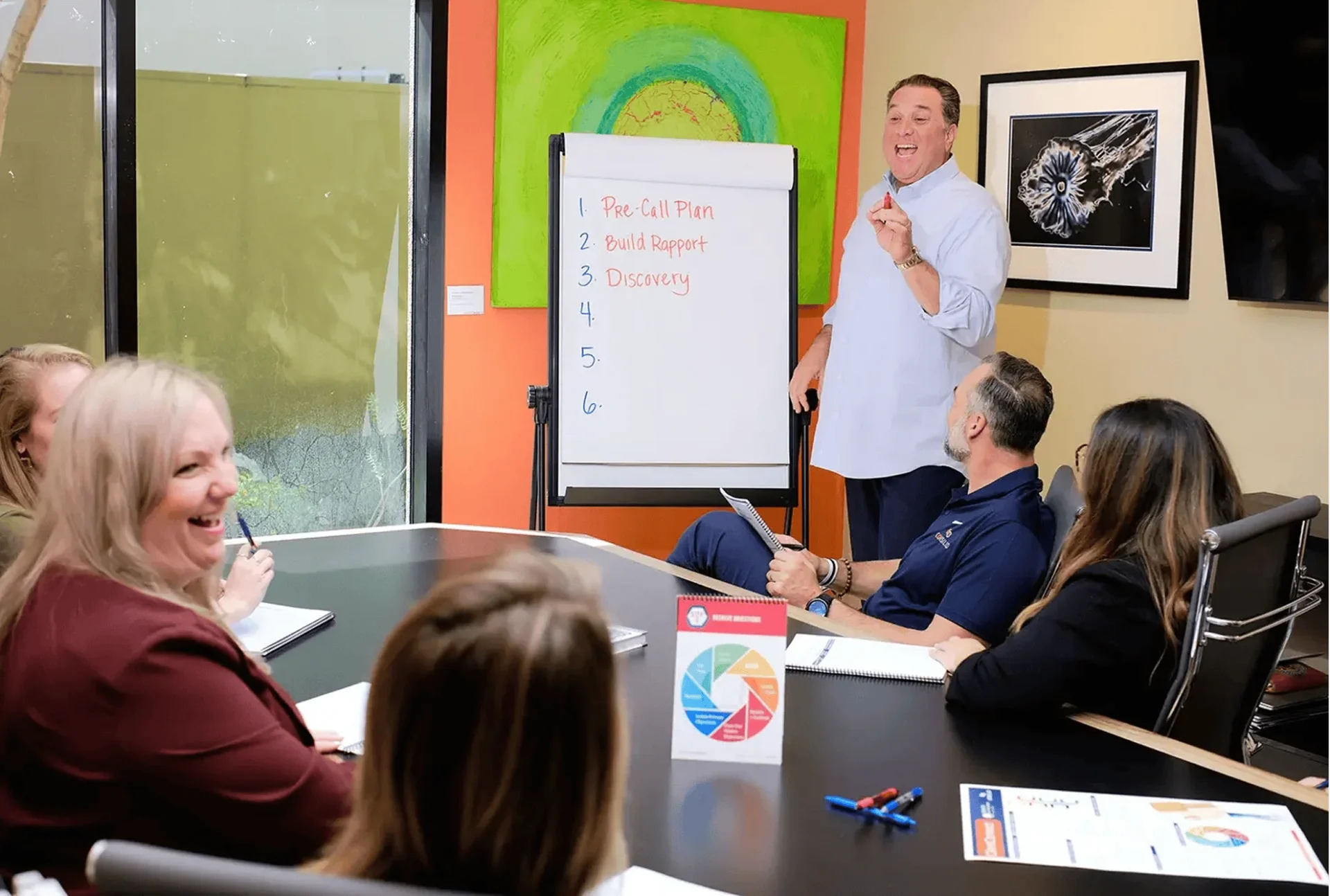
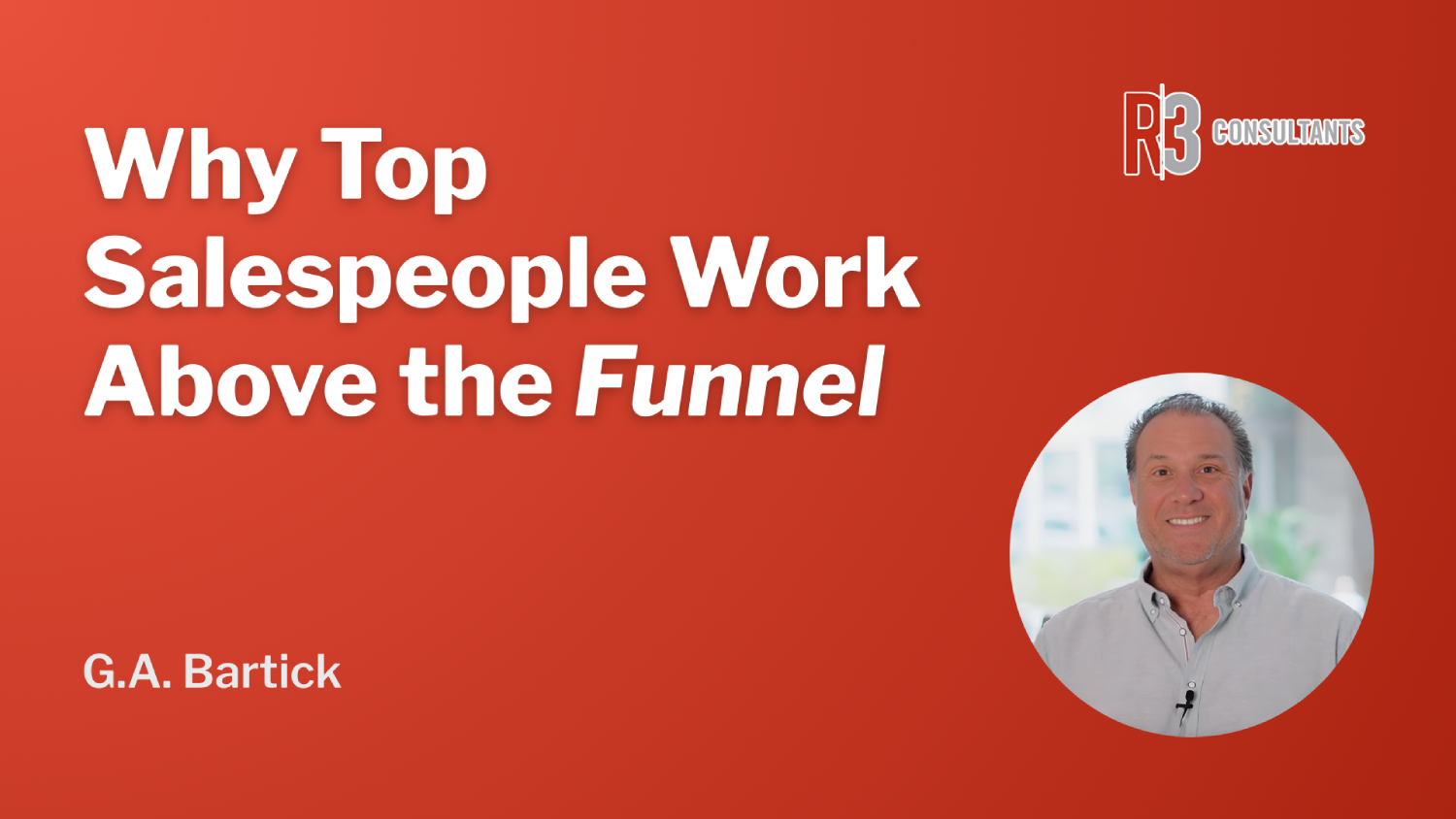
Sales teams often mistake busyness for progress. In this short talk, G.A. Bartick argues that most reps start their day at the bottom of the funnel pushing late-stage deals over the line and then stay there. The result is predictable: short-term spikes followed by droughts. Top performers behave differently. After handling imminent closes, they immediately move “above the funnel” into activities that create tomorrow’s pipeline: marketing, cold calls, email outreach, networking, and brand visibility. They block this work on the calendar and protect it. For decision-makers, the implication is clear: enforce prospecting time, require multi-channel outreach, and manage to leading indicators. Predictable revenue isn’t a mystery it’s the outcome of disciplined prioritization.
Key Points

Closing deals is necessary but not sufficient
Consistent growth requires more than pushing last-mile opportunities. Without prospecting, today’s wins become tomorrow’s empty pipeline.
Prospecting fuels future revenue
Above-the-funnel activities marketing, cold outreach, networking seed the opportunities you’ll close later.
Scheduling creates consistency
Top performers time-block prospecting on their calendars and defend it like any critical meeting.

Multiple channels matter
LinkedIn or one email isn’t enough; use several lines in the water at once.
“You have to have multiple prongs, multiple lines of fishing hooks out in the water.”
The Cost of Bottom-Only Focus
Decision-makers crave predictability. Yet many sales orgs live quarter-to-quarter because reps camp at the bottom of the funnel. As G.A. Bartick observes, “most people immediately start working… the bottom of the funnel. Let’s get those deals closed.” Yes, that’s the right place to start. But if the day ends there, you’re trading tomorrow for today and the pipeline eventually stalls. The visible symptom is the “ebb and flow” cycle: a rush of closings followed by a dry spell. The root cause is neglected prospecting.
Define “Above the Funnel” Work
Bartick draws a crucial distinction: after bottom-of-funnel work, top sellers go “above the funnel.” That means the actions that create demand and new conversations marketing touches, cold calls, cold door-pulling, emails, and networking events that get your name into the market. These aren’t optional extras; they are the engine that replenishes the funnel so there’s something to convert later. If these actions slip for “days, weeks, months, quarters,” your team will look busy while starving tomorrow’s pipeline.
Schedule Prospecting Like a Critical Meeting
Top performers don’t hope to find time for prospecting they make time. They literally put “top-of-funnel activities” on the calendar. This is more than productivity theater; it’s risk management for revenue. Unscheduled prospecting is the first thing to vanish when firefighting begins. Time-blocking creates a forcing function: what gets scheduled gets done. Leaders should model this by carving team-wide prospecting blocks, shielding them from internal meetings, and inspecting calendars during one-on-ones.
Diversify Your Outreach Channels
A single channel is fragile. As Bartick cautions, “going on LinkedIn or maybe send an email, that’s not enough. You have to have multiple prongs.” Multi-threaded outreach increases surface area: phone, email, LinkedIn messages, direct mail, webinars, industry events, and partner referrals. When channels vary, response volatility decreases and so does your dependence on any one algorithm, list, or trade show. Think portfolio management: spread bets across channels to reduce variance while increasing total conversations.
Operationalize It: Cadence, Metrics, Coaching
For decision-makers, the play is to make “above the funnel” non-negotiable:
- Cadence: Start the day by clearing imminent closes, then move immediately into scheduled prospecting blocks before tackling mid-funnel tasks.
- Metrics: Manage to leading indicators new conversations started, first meetings booked, sequences launched rather than lagging revenue alone.
- Coaching: Review prospecting quality weekly. Listen to cold call snippets, inspect outreach sequences, and spot-check event follow-ups.
- Enablement: Provide targeted lists, messaging frameworks, and micro-assets so reps can act without friction.
This structure turns discipline into culture and culture into consistent pipeline.
Weekly Planning Checklist (For Your Team)
- Block two to three 60-minute prospecting sessions on the calendar.
- Prepare a multi-channel plan for each ICP: call, email, LinkedIn, event, referral.
- Pre-build call lists and email templates to remove start friction.
- Book at least one networking touch (event, roundtable, community) per week.
- Review leading indicators every Friday and adjust next week’s plan.
FAQs
How do I keep prospecting from getting crowded out by urgent deals?
Short answer: Time-block it early in the day, right after you clear true last-mile tasks, and make that block unmovable except for signed revenue.
Long answer: Start with a 90-minute block, three days a week, scheduled before internal meetings. Define exactly what you’ll do (call list, sequence, event outreach) and remove friction in advance scripts, numbers, templates, and targets ready. Inspect calendars in one-on-ones and reward adherence. When emergencies arise, reschedule the same day, not next week. Consistency beats intensity over time.
What counts as “above-the-funnel” activity?
Short answer: Anything that creates new conversations cold calls, emails, LinkedIn outreach, networking events, brand-building and referrals.
Long answer: Above-the-funnel actions are demand-creation, not deal-advancement. Examples include targeted calling blocks, personalized outbound emails, social touches, attending or speaking at industry events, partner co-marketing, and direct mail. The goal is to add qualified people to your funnel who weren’t there yesterday. These should run weekly, not sporadically, and be tracked with simple leading metrics: conversations started and first meetings booked.
Isn’t focusing on closing the most efficient use of time?
Short answer: Start with closing, but shift to prospecting quickly closing alone produces revenue spikes followed by droughts.
Long answer: Closing work is essential, yet exclusively living at the bottom of the funnel mortgages the future. Bartick notes most sellers stop after working late-stage deals; top performers move above the funnel next. By balancing closing with scheduled prospecting, you hedge pipeline risk and stabilize results. The efficiency you gain from closing today compounds when tomorrow’s pipeline is already being built.
How many channels should my team use for outreach?
Short answer: At least three active channels per ICP to diversify responses and reduce volatility.
Long answer: Think portfolio theory. If you rely on one channel say LinkedIn DMs you’re exposed to algorithm changes or audience fatigue. Combine phone, email, and social with periodic events, partner referrals, and targeted direct mail. Rotate touches across 10–15 business days, personalize by persona triggers, and measure which combinations produce first meetings. Multi-pronged outreach, as Bartick argues, keeps “multiple lines of fishing hooks out in the water.”
What leading indicators should I manage as a decision-maker?
Short answer: New conversations, first meetings set, sequences launched, and weekly prospecting time completed.
Long answer: Lagging metrics (pipeline value, win rate) matter, but they reflect past behavior. To shape outcomes, instrument leading indicators. Track daily conversations started, weekly first meetings booked, number of accounts touched across multiple channels, and percent of prospecting blocks completed as scheduled. Review them in pipeline meetings and coach to quality: message resonance, call technique, and follow-up speed. Adjust headcount or coverage when leading indicators persistently miss targets.
Contact Us
Ready to turn prospecting discipline into predictable revenue? Give us a call at +1 (833) 737 3785 and ask for G.A. Bartick to train your managers on above-the-funnel execution to operationalize the cadence, metrics, and coaching across your team.